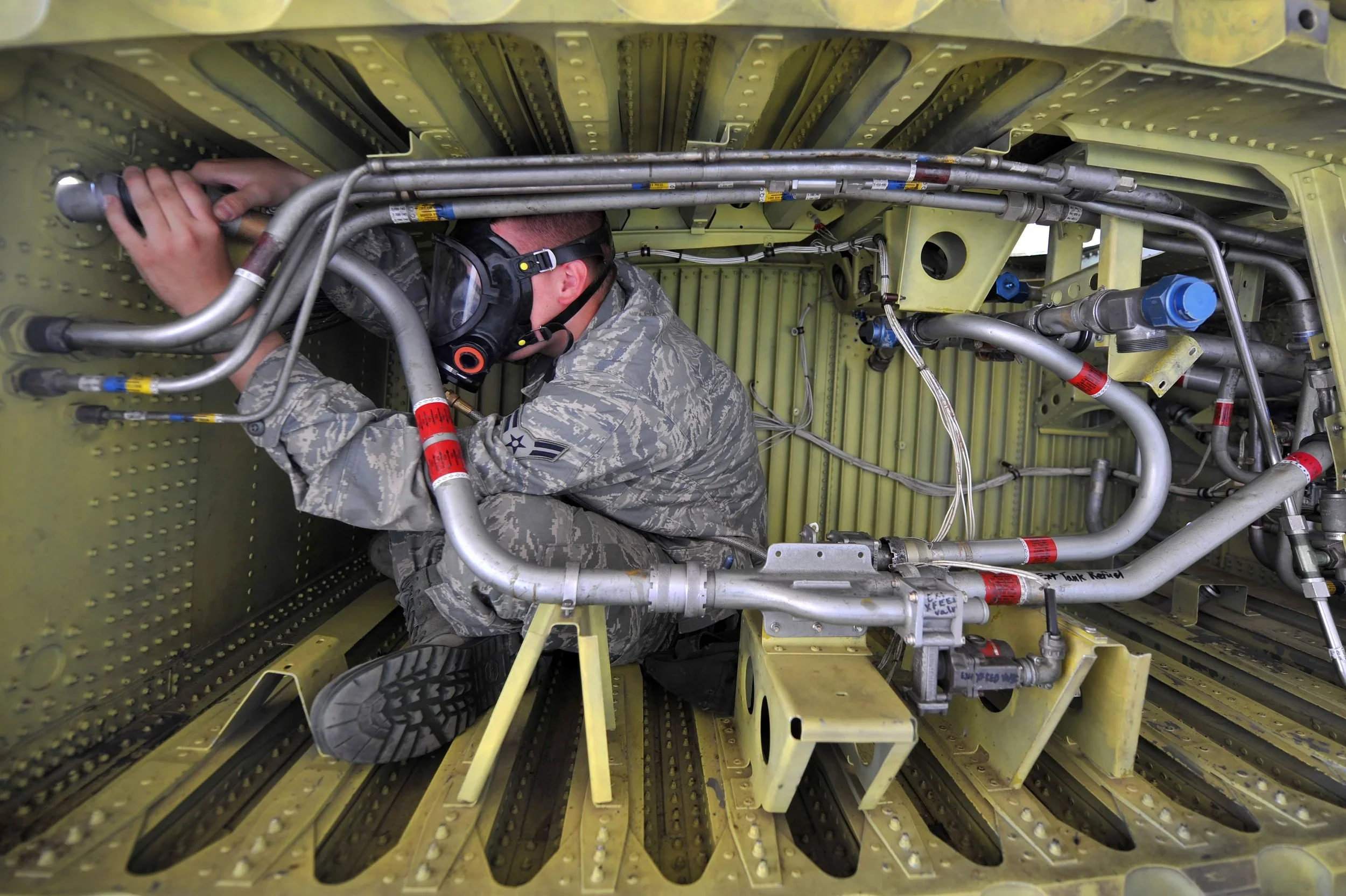
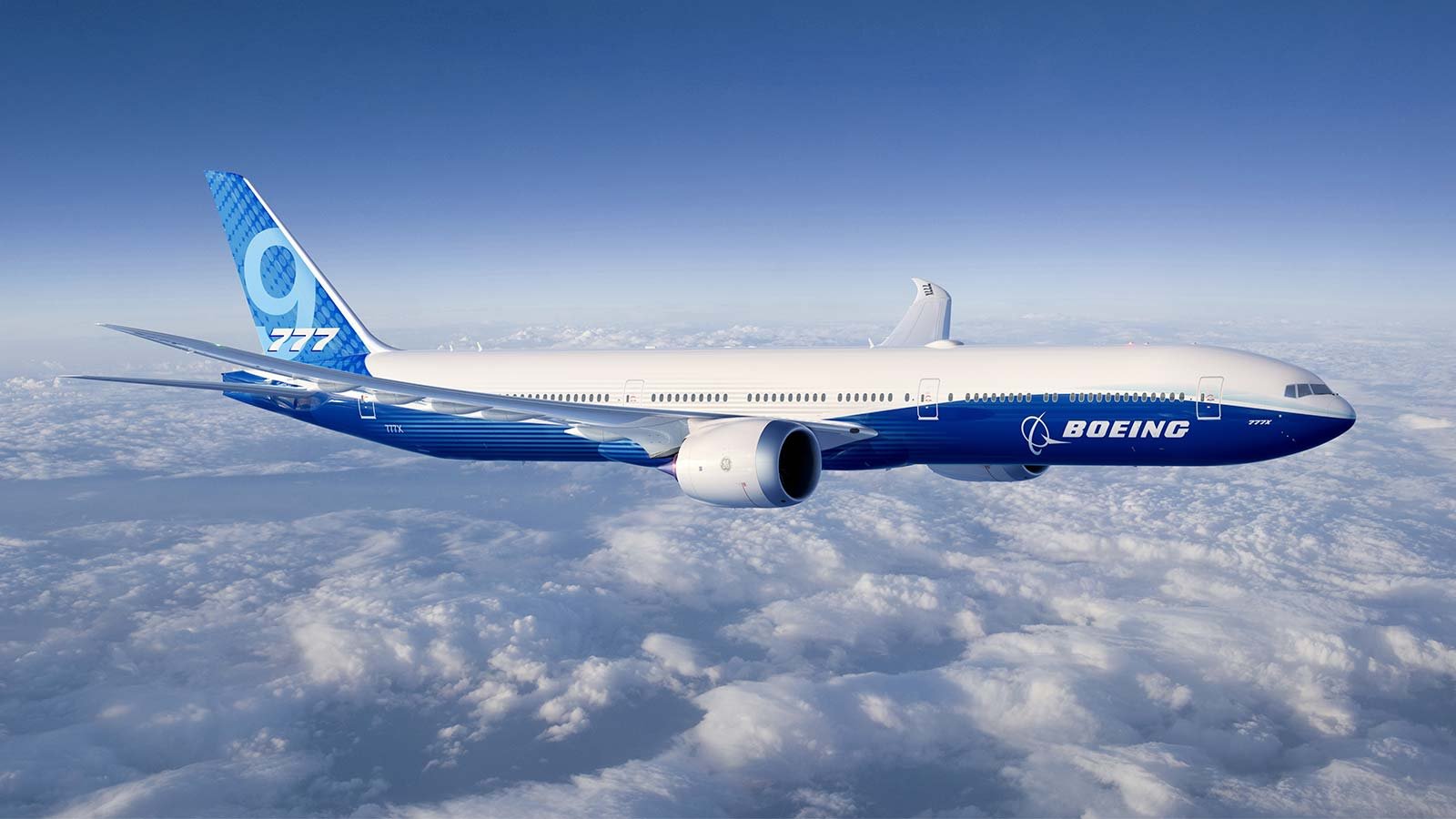
How might we seal the interior of the 777X wing tank to prevent combustion due to electromagnetic energy?
Overview
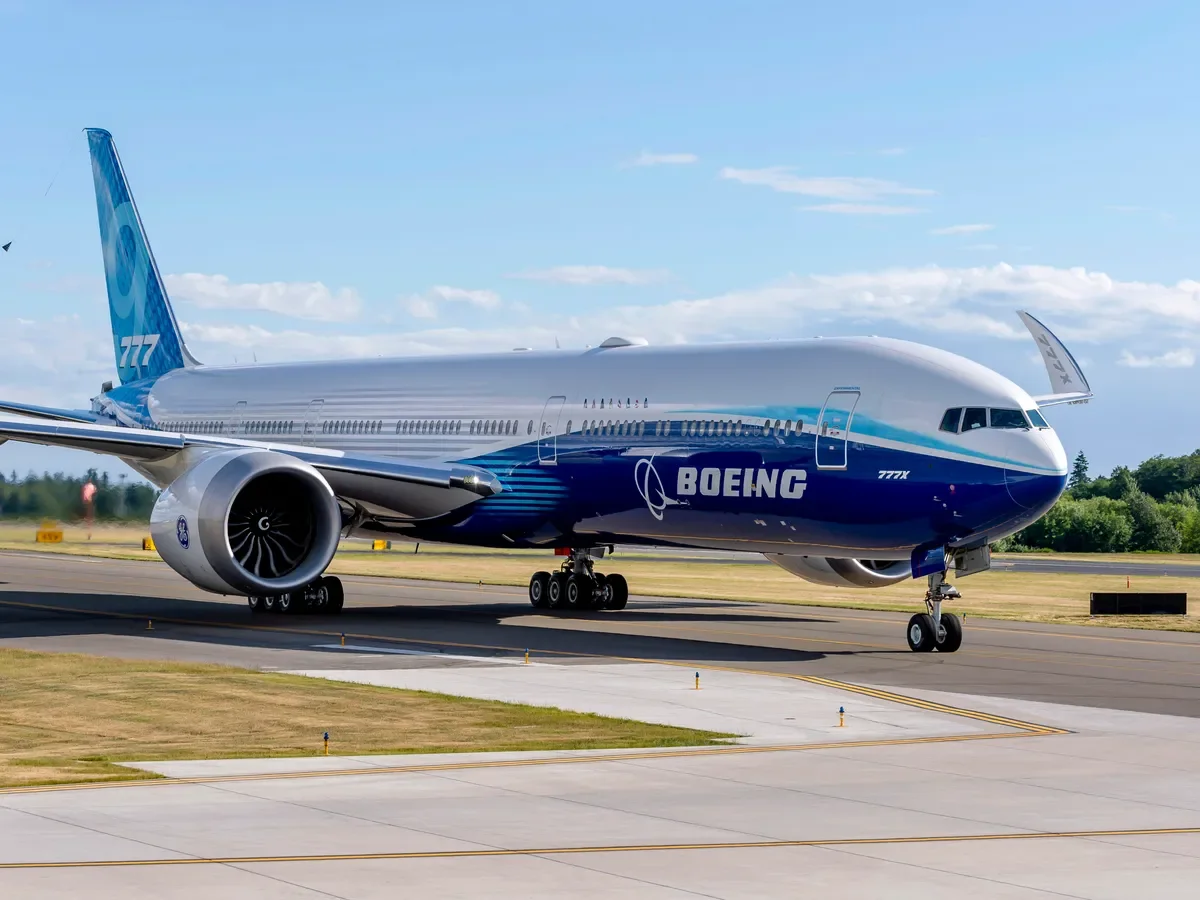
The 777X is Boeing's second aircraft with composite wings and the first to feature a composite wing combined with a metal fuselage. Electromagnetic effects (EME) pose significant risks to aircraft, as the build-up of EME currents can lead to sparking. Although fuel tank explosions are rare, they have caused 346 fatalities since 1989. To mitigate this risk, sealant is applied at potential energy build-up points and along all seams to prevent fuel leaks. Because composite and metal materials conduct electricity differently, the sealant application process for the 777X’s composite wings requires distinct procedures compared to traditional metal wings
Role
Industrial Engineer, System Design Lead
Skillset
System Design, Prototyping, Project Management, Usability Testing, Lean Manufacturing, & Process Improvement
Process
Define: Technical Research
Production system design began alongside the final stages of wing product design. I partnered with subject matter experts to understand the product requirements, environmental and electromagnetic safety constraints, and ergonomic challenges.
Tools: Engineering Drawings, EME Specs, Historical Data Analysis, SME InterviewsDefine: User Research
I led sprint-based workshops with expert mechanics and engineers to gather job data (sequencing, time estimates, tools, materials, and training). I also conducted field studies to understand pain points from current seal mechanics working on 777 wings. Activities included: observing sealers in real-world conditions, participating in new-sealer training, and capturing ergonomic and workflow frustrations.
Tools: On-Site Interviews, Contextual Inquiry, Field Notes, Workflow DiagramsDefine: System Framework
Using the collected insights, I developed a series of manufacturing planning deliverables to define and visualize the full system scope. Outputs included: ergonomics scores, value stream maps, wing maps with job data, sequencing diagrams and placement maps, and risk/opportunity registers and crew cycling plans
Tools: Excel, Visio, Shop Floor Diagrams, Risk RegistersIdeation & Prototyping
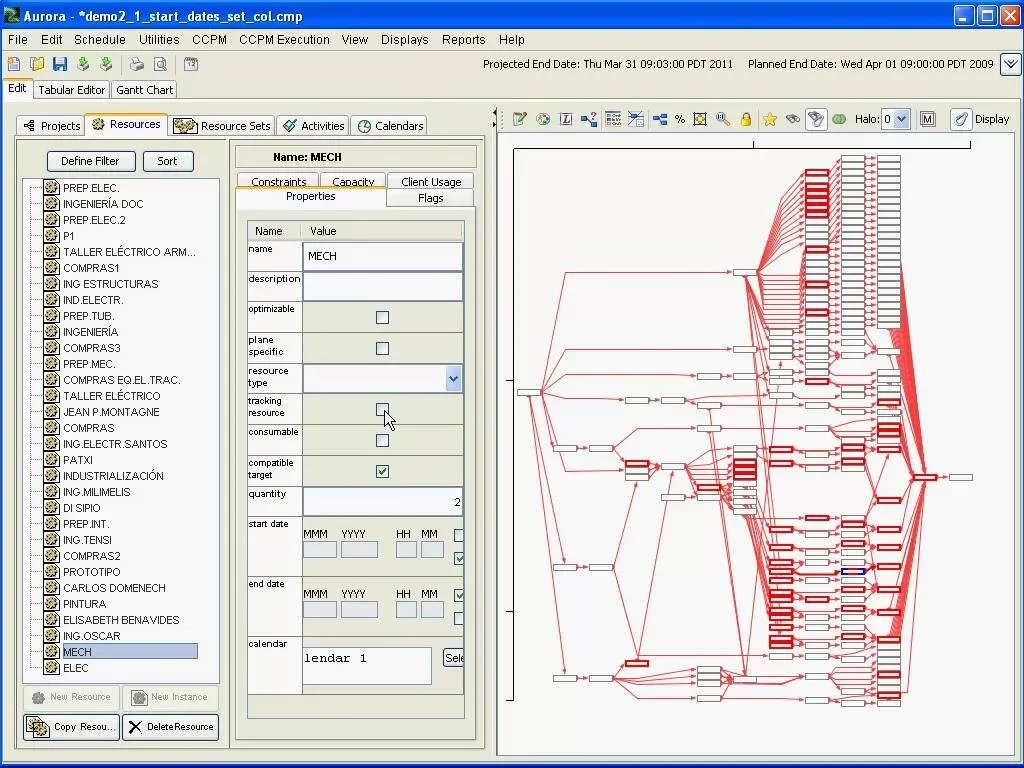
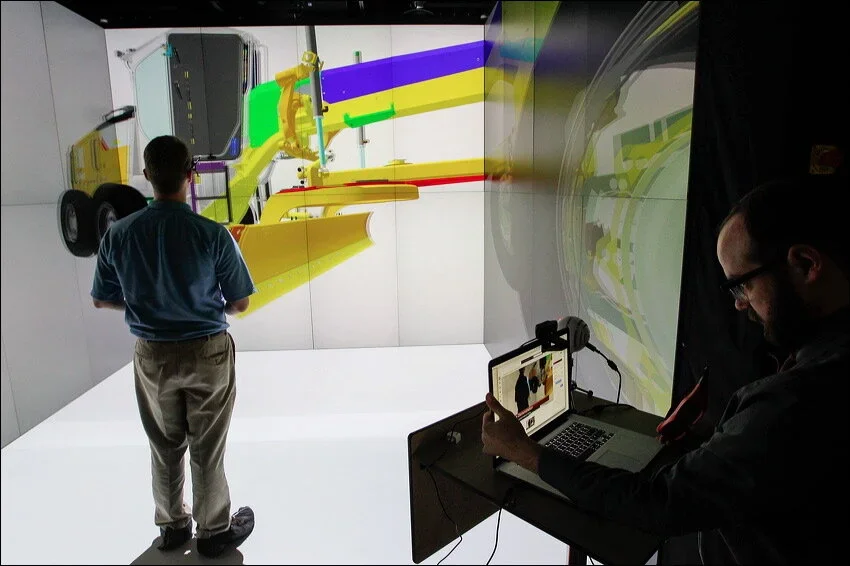
To validate early concepts, we created physical and virtual prototypes to simulate work conditions and test layout, tooling, and crew cycles. Prototypes created: full-scale plywood wing box mockup, CAVE virtual reality 3D environment, and Aurora modeling software for crew cycling
Tools: CAVE VR, Aurora, CAD, Physical MockupsTesting: Usability & Ergonomics
I ran multiple usability tests with seal mechanics using ergonomic tools (robotic arms, jigs, supports), and measured performance, pain points, and system friction. Outcomes: identified critical stress points in overhead work, evaluated setup inefficiencies, and used findings to drive both quick fixes and R&D initiatives
Tools: Ergonomic Testing Protocols, Video Logging, Manual Timing, Usability LogsIterate: Design Refinement
We implemented rapid iteration cycles to incorporate feedback and solve for major ergonomic and operational pain points. I led a sub-team focused on overhead work mitigation, resulting in a 50% reduction in ergonomic risk. Examples of improvements: delayed fixture installations, U-shaped setup flow for tool collection, refined crew cycling patterns, and adjusted capital equipment quantities for cost avoidance
Tools: Six Sigma Analysis, Process Flowcharts, Cost-Benefit AnalysisFinal Testing & Implementation
A full-scale wing mockup was used to validate the complete end-to-end process. The first production wing using the new system was delivered on time and within budget, with continuous improvements tracked post-implementation.
Tools: Full-Scale Prototypes, Schedule Logs, Pilot Metrics
Reflections: A Lasting Impact
This project transformed how Boeing approached ergonomic design, manufacturing planning, and process validation for its most advanced aircraft. Our team’s work became a model for future production systems. This project reminded me how essential it is to put people at the center of even the most technical systems. From seal mechanics to shop floor operators, human needs shaped our design decisions. I left Boeing with not only pride in the aircraft but deep gratitude for the team that brought it to life.
Created a comprehensive production system for 777X composite wing assembly
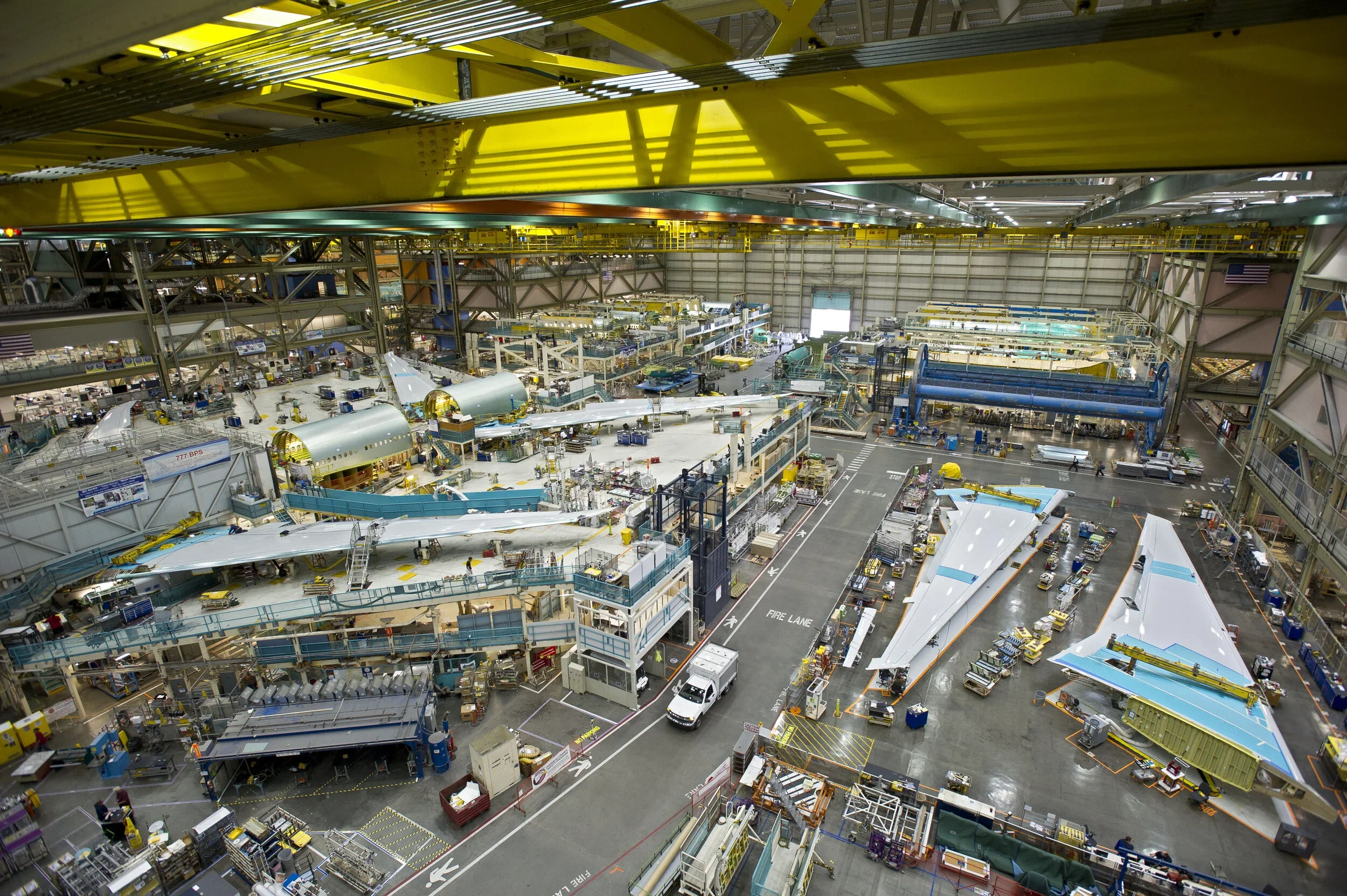
Planned workflows for 550 tasks across 124 employees in three manufacturing shops
Achieved $1.1M in capital savings through precise equipment analysis
Reduced ergonomic risks by 50%, saving $240,000 annually
Designed shop layout and recovery plans to manage schedule deviations